


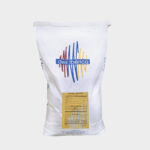
Propion 50E
Acid-based antifungal PROPIONIC and AMMONIUM PROPIONATE.
Short chain fatty acids have their maximum antifungal efficacy when they are in free form (not neutralized); Conversely; in this state they are aggressive, corrosive and difficult to handle. To avoid this circumstance and achieve a perfect application of Propion 50-E, propionic acid has been partially neutralized, so that once it is incorporated into the product to be preserved, the free acid is released from its ammonium salt. This, together with other types of adjuvants, helps the product to lack corrosive effects.
Related products

Cinaform
Preservative that acts effectively against fungi and bacteria that, thanks to the synergistic combination with cinnamaldehyde, extends its sanitizing action throughout the digestive tract of the animal.
Cinnamaldehyde acts in turn by inhibiting the corrosive effects of propionic acid, improving the palatability and digestibility of the food, improving the absorption of nutrients and regulating the intestinal flora.


Flordox
As it is the association of two broad-spectrum antibiotics, one of them (Doxycycline) chosen for Gram positive ones and the other (Norfloxacin) chosen for Gram negative ones, this product has a practical use in field therapy, a spectrum of action that includes the vast majority of pathogenic bacteria.
Mycoplasmas (gallisepticum and synoviae).
Gram positive bacteria (staphylococcus and streptococcus).
Enterobacteria (E. Coli, Salmonella, Klebsiella, Proteus, Enterobacter and Citrobacter).


Nextril ST
- Respiratory colibacillosis
- Septicemic colibacillosis
- Septicemia due to Enterobacter in general (Klebsiella, Citrobacter, Enterobacter, Proteus)
- Salmonellosis
- Bacterial respiratory tract infections (sinusitis, laryngotracheitis)
- “Swollen Head” syndrome
- Pasteurellosis (fowl cholera)
- Staphylococcus and streptococcal septicemia


Reviews
There are no reviews yet.